Staff Answer
Sep 18, 2026 - 12:50 PM
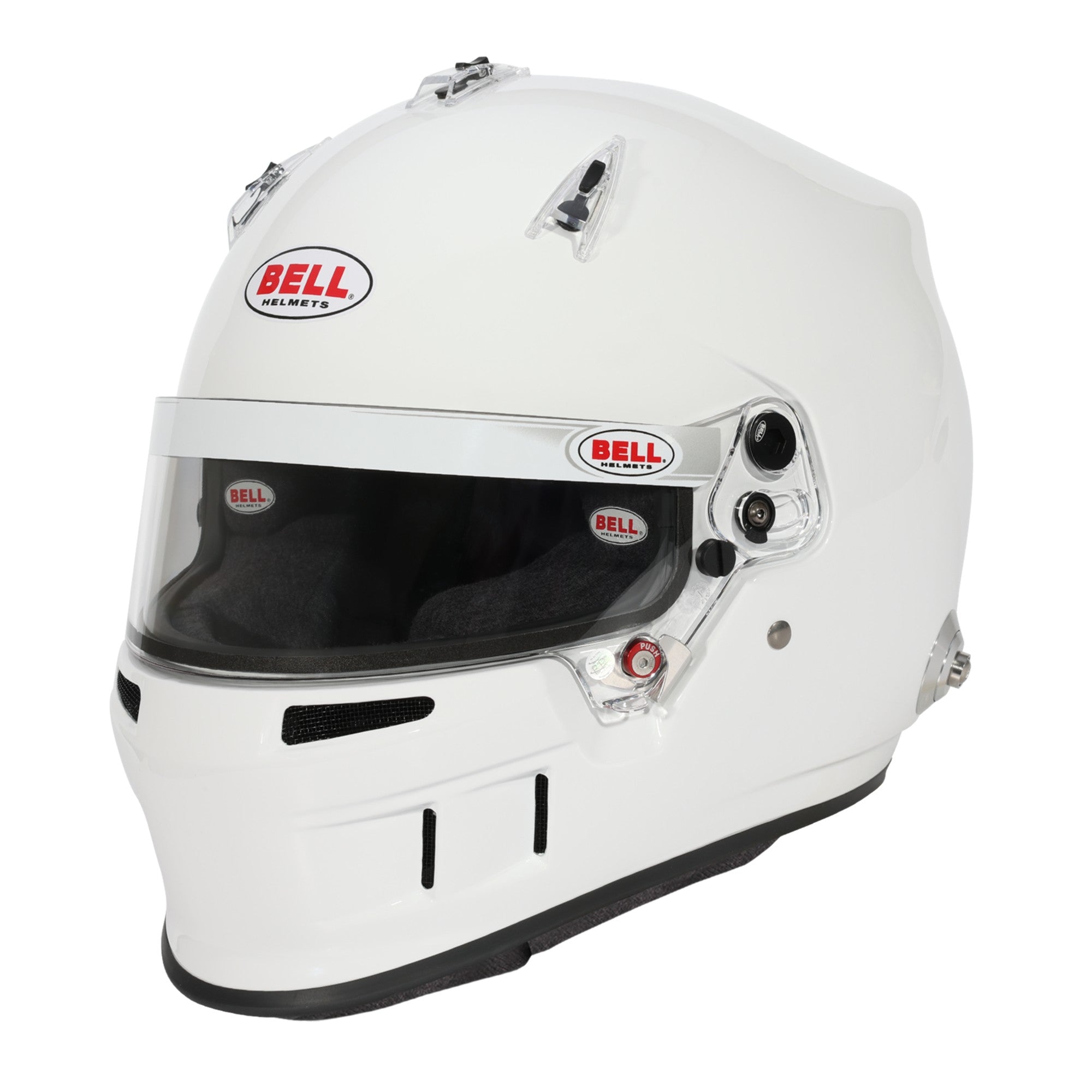
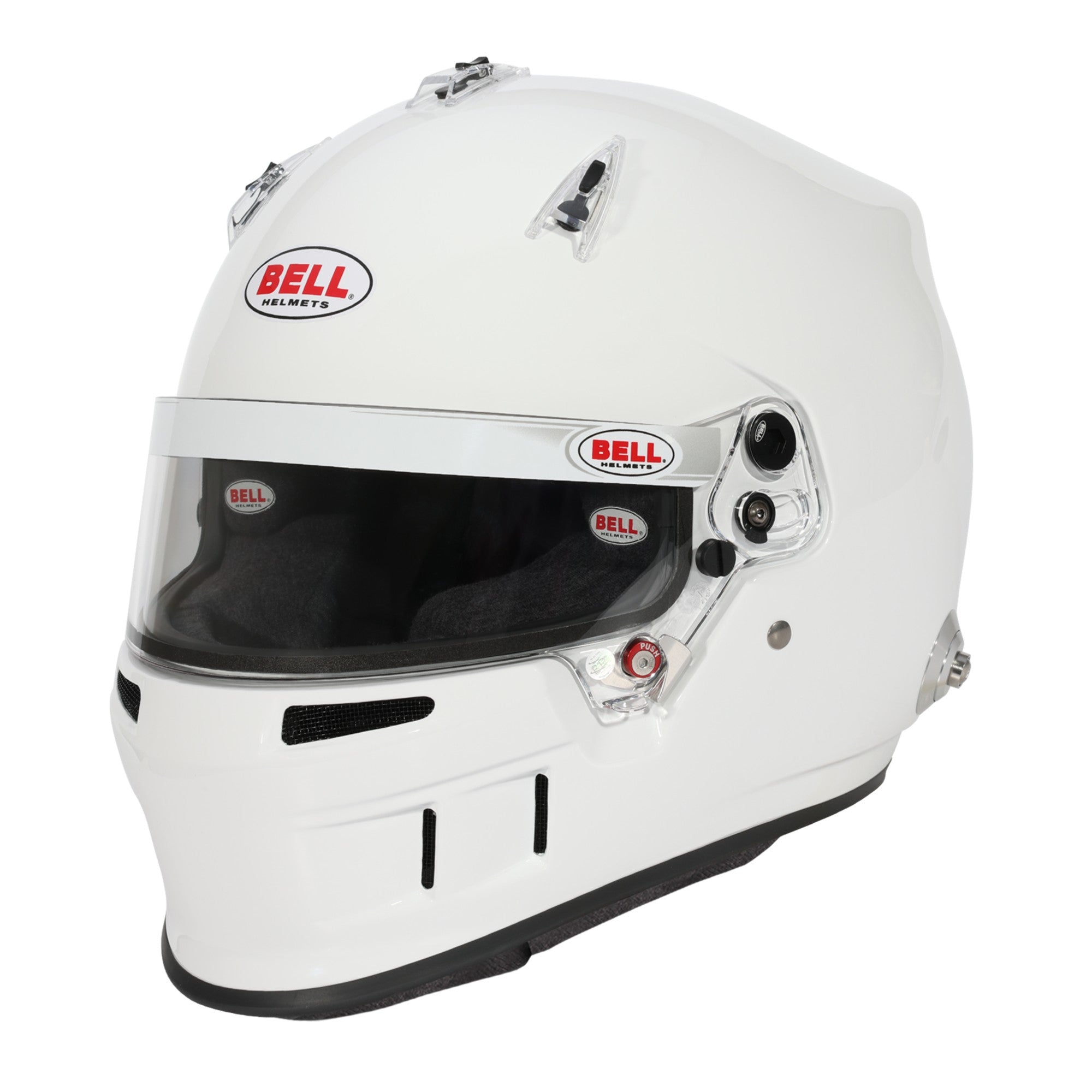
No, carbon composite is not inherently "safer;" Snell certification, not shell material, is what determines whether a helmet passed the required impact, fire, and restraint-compatibility testing, per the Snell Memorial Foundation's certification standard. What carbon composite reliably delivers is a lighter shell at a given strength level; the Bell XR7 PRO uses it to hit a 1,524-1,608 gram weight range. A lighter helmet reduces neck strain over a race, but a fiberglass helmet carrying the same Snell SA2025 certification has passed identical safety testing, so weight is a comfort factor, not a separate safety rating.